

Lewisham council rules for fly tipping and rubbish disposal
Posted on 26/06/2026
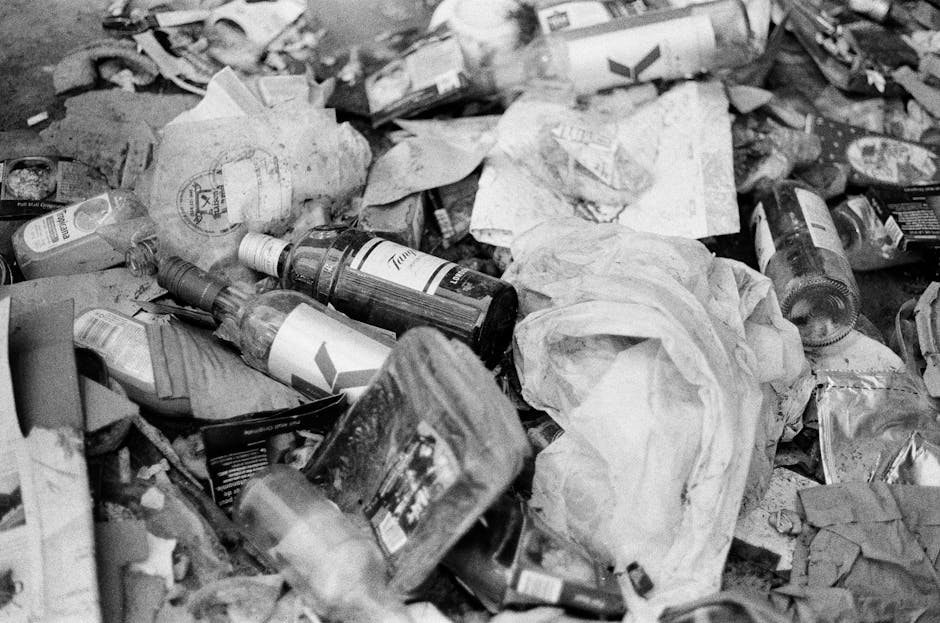
Lewisham council rules for fly tipping and rubbish disposal: a practical local guide
If you live, work, rent, or run a business in Lewisham, rubbish can become surprisingly complicated. A missed collection, an abandoned sofa, a few builders' bags left on the pavement, and suddenly you are dealing with more than just a messy street. Lewisham council rules for fly tipping and rubbish disposal matter because they shape what is allowed, what is risky, and what happens when waste is dumped or set out badly. This guide explains the basics in plain English, with the kind of practical detail people actually need when they are staring at a pile of waste and thinking, right, what now?
We will cover how the rules work, what counts as fly tipping, common mistakes, how to stay on the right side of local expectations, and where a professional clearance service can help when the job is bigger than a normal bin day. No fluff. Just the useful stuff.
Why Lewisham council rules for fly tipping and rubbish disposal Matters
Fly tipping is not just an eyesore. In a place like Lewisham, where roads, estates, high streets, and residential streets are all used hard, abandoned waste quickly becomes a real nuisance. It can block footpaths, attract pests, create hazards, and make a street feel neglected. And yes, it can spread fast. One dumped mattress often leads to more rubbish appearing beside it. People see a pile and assume it is already a dumping point. Annoying, but very real.
The council's rules exist to keep waste traceable and manageable. They also help make sure rubbish goes to an appropriate facility, rather than ending up in a layby, on a verge, beside a bin store, or tucked behind a row of shops. If you are moving house, clearing a loft, or handling renovation debris, knowing the rules saves time, money, and the awkward possibility of being blamed for someone else's mess.
There is another side to it too: residents and landlords often get caught out by waste left outside at the wrong time or in the wrong way. You might think, "It's only for a few hours," but councils and enforcement teams tend to look at the situation differently. The intention matters less than the outcome. Is the waste legally presented for collection? Is it secure? Is it on the right property? If not, trouble can follow.
Practical takeaway: If waste is not placed, stored, or removed properly, it can be treated as a nuisance or a disposal problem. The safest habit is simple: keep waste on private property until collection or take it to an approved disposal route.
If you are also trying to understand how local life, housing, or business activity shapes waste patterns in the borough, you may find our posts on what makes Lewisham such a busy, changing area and the Lewisham property market guide useful in a wider sense. Waste issues are often tied to moving, renovating, or simply living in dense neighbourhoods.
How Lewisham council rules for fly tipping and rubbish disposal Works
At the simplest level, the system is about responsibility. You are expected to dispose of your waste through lawful channels and not leave it somewhere it should not be. That sounds obvious, but the real-world details matter. Different waste types need different handling, and not every item can go in your household bin. Broken furniture, garden cuttings, broken appliances, plasterboard, paint tins, and mixed construction waste all need more thought than a normal black bag.
Fly tipping usually refers to waste being dumped without permission on land that is not approved for that purpose. That could be a roadside, alley, green space, private driveway, communal bin area, or a patch of land near flats. Rubbish disposal rules, by contrast, cover the proper ways to present, separate, store, collect, recycle, or remove waste. In practical terms, one set of rules says "don't dump it," while the other says "dispose of it properly." They overlap a lot, which is why people sometimes get caught out.
Here is what typically shapes compliance in everyday life:
- Ownership of the waste: If it is your rubbish, you are responsible for it until it is lawfully removed.
- Type of waste: General household waste, bulky waste, green waste, builders' waste, and electrical items may all need different disposal routes.
- Collection arrangements: If you are using a council or private collection, the waste needs to be presented the way the collector expects.
- Storage location: Waste should not block public areas or create hazards for neighbours, pedestrians, or bin crews.
- Waste transfer and traceability: When a professional carrier removes waste, there should be a proper record trail. That is normal good practice, not overkill.
For many residents, the main issue is timing. Maybe the shed is being cleared on a Saturday and the bulky items need to wait until Monday. Maybe the builder has finished early, but the skip is not arriving until tomorrow. Those in-between moments are where problems often start. A bag on the pavement overnight can become someone else's excuse to add to it. Next thing you know, the pile looks intentional. And that is where the headaches begin.
If you want a sense of the broader local waste and service landscape, our services overview and recycling and sustainability guidance give useful context on how responsible clearance fits into normal day-to-day life.
Key Benefits and Practical Advantages
Following the rules is not just about avoiding penalties. There are real everyday benefits, and to be fair, they are the ones people care about most once they are in the middle of a clearance.
- Less risk of fines or enforcement action: Obvious, but still the biggest one.
- Cleaner streets and shared spaces: A tidy frontage makes a big difference in terraced streets and estates.
- Safer access for neighbours and visitors: No one wants to step around sharp waste or torn bags on a rainy evening.
- Better recycling outcomes: Proper sorting usually means more can be reused or recovered.
- Less stress during moves or refurbishments: There is enough chaos in a house move already. Waste should not be the final boss.
- Clearer responsibility: Good paperwork and proper disposal help protect you if questions arise later.
There is also a reputational upside, especially for landlords, letting agents, shop owners, and contractors. A neat disposal process tells people the property or business is managed properly. In a busy borough, that matters. We notice it in the way frontages, bin stores, and communal areas are treated. A clean space tends to stay cleaner. A messy one... well, it invites company.
For homeowners handling furniture or loft contents, related services like furniture disposal and loft clearance can help make the process more orderly and much less time-consuming.
Who This Is For and When It Makes Sense
These rules matter to a wide range of people, not just residents who have had a warning letter or a messy driveway. If you are in any of the situations below, it is worth paying attention.
- Homeowners clearing a property after a renovation, sale, or family change.
- Tenants who need to leave a property tidy and avoid leaving disposal problems behind.
- Landlords and agents managing voids, end-of-tenancy clearances, or communal areas.
- Businesses dealing with office clear-outs, packaging, old stock, or furniture.
- Builders and tradespeople responsible for construction and demolition waste.
- Event hosts who create more waste than a normal household collection can handle.
A common scenario: someone clears a flat in SE13 over a weekend, stacks a few items near the entrance, and assumes they will be fine until collection. But if those items sit in a shared area, they can cause friction fast. Neighbours complain, the building manager gets involved, and the original owner ends up sorting it out anyway. It is a small moment with a big administrative tail on it.
That is why the rules make sense even when they feel slightly fussy. They protect shared space. They protect local streets. They also protect you from mistakes that look minor at first glance.
If you are moving within the area or comparing neighbourhoods, the articles hear from locals in Lewisham and navigating real estate in Lewisham provide a useful sense of the pressure points that come with local property turnover.
Step-by-Step Guidance
If you want to stay compliant without overthinking it, use this practical flow. It is not glamorous, but it works.
- Identify the waste type. Is it household rubbish, green waste, bulky furniture, electricals, builders' rubble, or something more specialised?
- Separate reusable or recyclable items. Cardboard, metal, clean wood, and some white goods may be handled differently from mixed rubbish.
- Check whether council collection is suitable. Standard collections are often fine for everyday waste, but not always for large or urgent clearances.
- Keep the waste on private land until removal. That usually means inside your boundary, not on the pavement or by a shared gate.
- Arrange the correct collection method. For a full house clearance, office strip-out, or builders' waste load, a dedicated clearance service is often the least messy option.
- Make access easy. Clear routes, unlock gates, and let people know if parking is awkward. This saves time and avoids back-and-forth.
- Keep records where needed. If a professional carrier removes your waste, keep any paperwork or confirmation you receive.
- Do a final sweep. Small bits are easy to miss: screws, packaging, offcuts, loose bags, bits of timber. Those little leftovers are the ones that make a job look unfinished.
A useful rule of thumb: if you would not be happy seeing the waste sitting there tomorrow morning, it probably should not be left there tonight. Simple, but effective.
For more urgent jobs, especially where waste is already building up, our page on same-day rubbish removal in Lewisham can help you think through the fastest practical route.
Expert Tips for Better Results
Here is where the small wins happen. The difference between a tidy clearance and a chaotic one is often a handful of basic decisions made early.
- Do not mix waste types unless you have to. Mixed loads are harder to handle and can increase disposal complexity.
- Photograph the waste before removal. This is especially useful for landlords, managing agents, and businesses. It gives you a clean before-and-after record.
- Book the collection before you start tearing everything apart. Otherwise the waste tends to spread. Funny how that works.
- Use labelled bags or grouped piles. It speeds up loading and makes sorting easier.
- Be careful with hidden problem items. Paints, chemicals, gas bottles, batteries, and some electronics may need extra handling.
- Plan around building access and traffic. In denser streets, the wrong time of day can make a straightforward job feel endless.
One detail people overlook is weather. Rain makes cardboard heavier, bags sloppier, and pavements more hazardous. A damp pile left near a gate at 6 pm can turn into a nuisance by the next morning. You can almost hear the frustration before anyone even says a word.
If your clearance involves larger items, it can also help to compare your options with dedicated services such as house clearance, office clearance, or builders' waste disposal in Lewisham rather than trying to improvise a mixed solution.
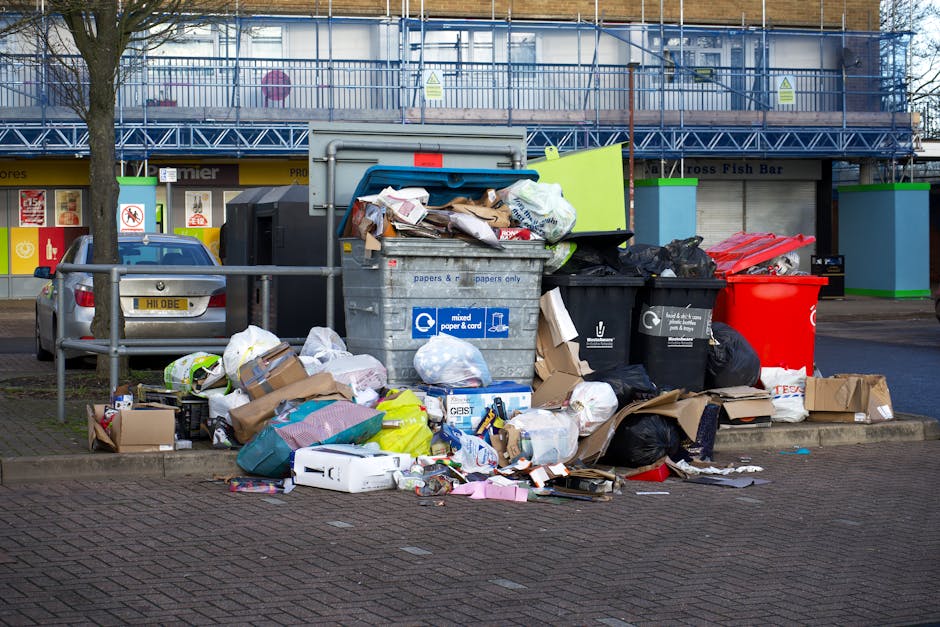
Common Mistakes to Avoid
Most waste problems do not begin with bad intentions. They begin with assumptions. That is the honest truth.
- Leaving waste on the pavement "just for now." This is one of the quickest ways to create a fly tipping risk.
- Trusting the wrong carrier. If someone offers to take waste away cheaply but cannot explain where it is going, that is a warning sign.
- Assuming bulky items can go out with normal bags. Sofas, wardrobes, and mattresses usually need a different solution.
- Forgetting that garden waste is still waste. Grass cuttings and branches may seem harmless, but they still need proper disposal.
- Dumping renovation debris in a communal area. Shared bin stores are not a builders' skip.
- Not planning for overflow. One van load may be enough in theory, but theory is often optimistic.
Another mistake is over-relying on "someone else will sort it." In flats, shared houses, and commercial buildings, that sentence can become expensive very quickly. If you created the waste, make sure the route away from the property is clear.
For a deeper sense of local collection timing and practical cost pressure, see the SE13 rubbish collection times and cost guide and the post on hidden costs in Lewisham rubbish removal.
Tools, Resources and Recommendations
Without linking out to outside sources, the most useful resources are the ones that help you plan cleanly and choose the right disposal route. A few basics go a long way.
- Household waste notes: Keep track of what you have, especially after a move or declutter.
- Phone camera: Quick photos help document what is going and what remains.
- Labels and marker pens: Handy for separating items into categories.
- Rubbish sacks and protective gloves: Small tools, but they make sorting safer and faster.
- Access measurements: Know stair widths, lift sizes, and gate access if large items are involved.
On the service side, it is worth checking a provider's broader standards too. Pages like pricing and quotes, payment and security, and insurance and safety help show how a professional operator handles the practical side of a job. That matters because waste disposal is not only about removing items; it is about doing so safely and transparently.
If sustainability is part of your decision-making, the page on recycling and sustainability is a sensible read. It is often the difference between a disposal job that feels wasteful and one that feels properly handled.
Law, Compliance, Standards, or Best Practice
When people talk about fly tipping, they are usually talking about illegal dumping and the responsibilities that come with waste creation and waste transfer. In practice, the legal and best-practice side comes down to a few principles:
- You remain responsible for your waste until it is disposed of properly.
- Waste should be handed to a legitimate carrier if you are not taking it yourself.
- Waste should be stored and presented safely so it does not create a hazard or a nuisance.
- Hazardous or specialist items should not be mixed into general rubbish unless that is clearly allowed.
- Records and receipts are helpful evidence that the waste was handled properly.
Best practice is often stricter than the bare minimum. That is not red tape for the sake of it. It is what keeps shared spaces working and avoids those infuriating little disputes that can eat up hours. If you manage property or commercial premises, a routine disposal process is worth its weight in calm.
For business owners and landlords especially, the combination of good records, clear collection planning, and proper removal methods is usually the safest route. A tidy trail tells a much better story than vague memories and "I think someone picked it up."
Options, Methods, or Comparison Table
Different waste situations need different approaches. Here is a simple comparison to help you decide what fits best.
| Method | Best for | Pros | Watch-outs |
|---|---|---|---|
| Regular household collection | Everyday bin waste and small amounts of general rubbish | Convenient, familiar, low effort | Not suitable for bulky items or mixed clearance waste |
| Self-loading and personal transport | Small clear-outs if you have the vehicle and time | Direct control, flexible timing | Requires time, lifting ability, and careful planning |
| Dedicated waste clearance service | House clearances, offices, furniture, garden waste, builders' waste | Fast, organised, less stress, suitable for larger jobs | Needs the right provider and clear access information |
| Ad hoc dumping or leaving items out | Nothing, really | None worth recommending | High risk of fines, complaints, and neighbourhood problems |
For most people, the third option is the most sensible when the waste is more than a few bags. That is especially true for furniture, loft contents, garden clearances, and office clean-outs. It is not the cheapest-looking option at first glance, but once you factor in time, transport, and the risk of doing it wrong, it often makes more sense.
Case Study or Real-World Example
Here is a realistic scenario from the kind of job people deal with all the time. A landlord in Lewisham has a two-bedroom flat to turn around between tenancies. The outgoing tenants have left a broken bookcase, a mattress, mixed bags, and a few bits of garden clutter from the balcony. Nothing dramatic. Just enough to be annoying.
At first, the landlord thinks about putting everything out by the building entrance and hoping it gets collected quickly. But the bin store is shared, the entrance is visible from the road, and the timing is awkward. Instead, the landlord arranges a proper clearance, keeps the waste inside the property boundary until the collection window, and groups the items by type so the loading is quick.
The result is boring in the best possible way. No complaints from neighbours. No mess on the pavement. No debate about who owns what. The flat is ready sooner, and the landlord avoids the sort of late-night email that begins, "Just to let you know..." and usually ends badly.
That is what good waste handling looks like. Unremarkable, efficient, and invisible to everyone except the person who was dreading the job.
Practical Checklist
Use this before any waste is removed, left out, or booked for collection.
- Have I identified the waste type correctly?
- Can any of it be reused, donated, recycled, or separated?
- Is the waste staying on private property until collection?
- Do I know what cannot go with normal rubbish?
- Have I made access easy for whoever is removing it?
- Do I have a plan for bulky or awkward items?
- Have I kept any useful records or photos?
- Will the method I use avoid creating a nuisance for neighbours or passers-by?
- Have I checked whether a specialist service makes more sense than doing it myself?
- Have I removed loose bits, sharp edges, and anything that could blow away?
If you can tick most of those off, you are probably in good shape. If not, pause and sort the plan before the waste starts migrating across the path. It happens faster than people think.
Get a free quote today and see how much you can save.
Conclusion
Lewisham council rules for fly tipping and rubbish disposal are really about one thing: keeping waste where it belongs until it is removed properly. That sounds straightforward, yet in real life there are plenty of ways for a clearance to go sideways. A few bags left out too early, a bulky item dumped in a shared area, or a shortcut taken with the wrong carrier can all cause outsized problems.
The good news is that most of the risk disappears once you plan ahead. Know your waste type. Keep it off the pavement. Use a proper collection route. Keep records where it matters. Small things, but they add up. And if you are facing a bigger clearance than usual, it is perfectly reasonable to get help. In fact, it is often the smarter choice.
Done well, rubbish disposal becomes just another job ticked off the list, not a lingering worry hanging over the week. That alone is worth getting right.
 Tipper Van - Rubbish Collection and Waste Clearance Prices in Lewisham, SE13
 Luton Van - Rubbish Collection and Waste Clearance Prices in Lewisham, SE13

