

Ladywell estate bulky rubbish and garden waste pickup
Posted on 15/05/2026
Ladywell estate bulky rubbish and garden waste pickup: a practical local guide
If you live on or near the Ladywell estate, bulky rubbish has a way of building up quietly. A broken wardrobe in the hallway, an old mattress that's been leaning in the spare room for weeks, a pile of hedge cuttings after a weekend in the garden - suddenly the place feels crowded and a bit hard to manage. That's where a well-planned Ladywell estate bulky rubbish and garden waste pickup can make life a lot easier.
This guide explains what bulky waste pickup actually covers, how garden waste is usually handled, what to prepare before collection day, and how to avoid the common mistakes that slow everything down. Whether you're clearing a flat, sorting a shared outdoor space, or just tired of tripping over "stuff" that should have gone ages ago, you'll find a sensible route forward here. And yes, we'll keep it grounded in real-world London life, not airy advice that sounds nice and helps nobody.
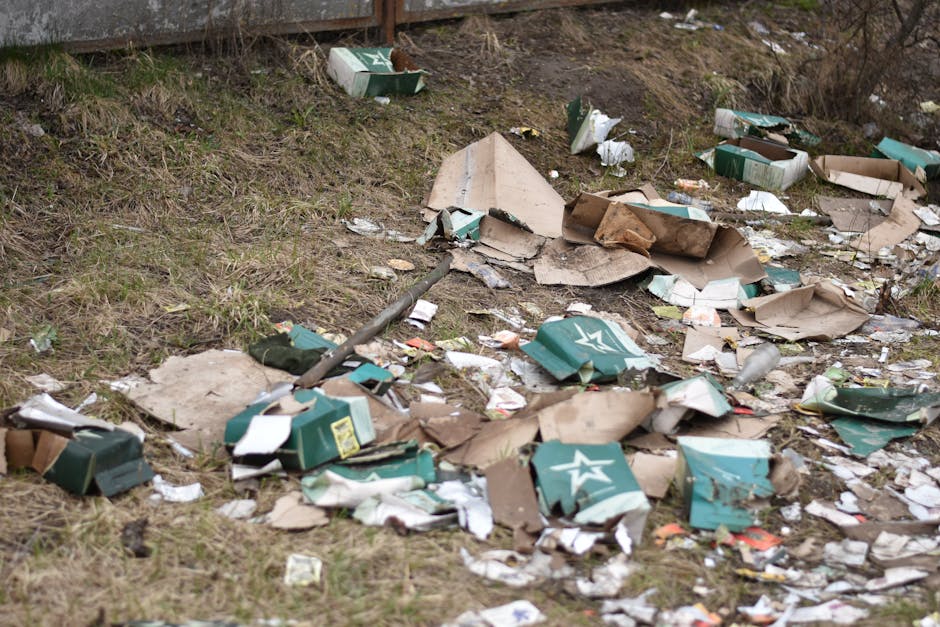
Why Ladywell estate bulky rubbish and garden waste pickup Matters
Bulky waste and garden waste are two of the easiest things to underestimate. They do not always look like a major problem at first. Then the weather changes, the hallway gets narrow, the bin area gets messy, or the back garden starts looking more like a holding bay than a place you want to sit in.
On an estate, that matters even more. Shared entrances, limited storage, access routes, and neighbour traffic all make accumulation more noticeable. One oversized item can block a route. A few sacks of hedge trimmings can start attracting damp, flies, or complaints. It's not just about tidiness; it's about keeping the space usable and respectful for everyone who lives there.
Truth be told, people often wait because they think it will be a hassle. But once the clutter is gone, the difference is immediate. The path feels wider. The air feels cleaner. You stop mentally stepping around the problem, which is its own kind of relief.
This is also where local context matters. In Ladywell, many residents are balancing busy schedules, small outdoor spaces, and London parking realities. A pickup service that understands access, timing, and safe lifting can save a lot of back-and-forth. If you're comparing broader support options, it helps to start with a clear view of the available waste removal services in Lewisham so you can match the job to the right service.
How Ladywell estate bulky rubbish and garden waste pickup Works
At its simplest, the process is straightforward: you identify what needs removing, check what can and cannot be taken, get a quote or booking, and arrange a collection time. The details matter, though, because the difference between a smooth pickup and a frustrating one usually comes down to preparation.
Bulky rubbish generally includes items too large for normal household bins: wardrobes, sofas, broken tables, shelving, mattresses, old appliances, exercise equipment, and similar items. Garden waste usually means green and organic material such as branches, grass cuttings, hedge trimmings, soil in limited quantities, leaves, weeds, and small untreated wooden offcuts. Mixed loads are common, especially after home or garden projects, so it helps to sort things in a practical way before collection.
In many cases, a team will assess the load by volume, access, and type of material. A few lightweight bags of garden waste can be very different from a dense pile of wet hedge cuttings or a mattress plus dismantled furniture. That's why clear photos and honest descriptions save time for everyone. Nobody likes surprise additions on the day. Well, nobody except chaos, maybe.
If your pickup is part of a larger clear-out, you may also want to look at connected services like garden waste removal in Lewisham, furniture disposal, or even house clearance if the job has grown beyond a simple one-off collection.
Key Benefits and Practical Advantages
A good pickup service does more than move waste from A to B. It removes stress, reduces manual lifting, and helps you reclaim space quickly. For many people, that's the real value. Space is not just physical; it changes how a home feels.
- Faster turnaround: You avoid the stop-start job of trying to fit everything into household bins over several weeks.
- Safer handling: Heavy sofas, sharp branches, and damp bags are awkward to move without proper equipment.
- Cleaner shared areas: On estates, keeping paths, bin stores, and garden edges clear helps the whole block.
- Better recycling outcomes: Sorting waste properly can keep reusable or recyclable material out of disposal routes where possible.
- Less disruption: A planned visit usually causes less inconvenience than repeated trips to tip-style drop-offs or endless bag storage.
There's also the less obvious benefit of momentum. Once the bulky items are gone, people tend to finish the job properly. The shed gets sorted. The broken planter gets binned. The corner of the garden becomes usable again. It snowballs, in a good way.
For residents who care about responsible disposal, it is worth reading about recycling and sustainability so you can feel confident that the process is not just convenient, but considered too.
Who This Is For and When It Makes Sense
This kind of pickup suits a wide range of everyday situations. You do not need to be doing a major renovation to make use of it. In fact, many of the most sensible bookings come from fairly ordinary moments that have just tipped over into "right, that's enough now."
You may need it if you are:
- clearing out a flat after a tenancy ends
- replacing old garden furniture or damaged outdoor items
- cutting back overgrown hedges and branches
- sorting a loft, shed, or storage cupboard that has turned into a catch-all
- removing waste after decorating or light building work
- preparing a home for sale or for new occupants
- sharing responsibility for a communal garden or bin area on an estate
If you're in the middle of moving, buying, or renovating, bulky waste can pile up faster than you expect. That's one reason people browsing local property content, such as the Lewisham property market guide or the wider advice in navigating real estate in Lewisham, often end up needing clearance help at the same time. It all connects.
For local context beyond the waste itself, it can also help to understand the area a bit better. Articles like a local's guide to Lewisham and what locals say about living in Lewisham give a sense of the neighbourhoods, pace, and practical realities people are working with.
Step-by-Step Guidance
Here's a simple, low-stress way to handle the process.
- Walk the space first. Look at the garden, hallway, shed, or storage area and make one honest list of what needs to go.
- Separate bulky rubbish from garden waste. Keep furniture, mattresses, metal, and general rubbish apart from green waste where possible. Mixed loads can be fine, but clarity helps.
- Check for restricted items. Some materials need special handling, especially anything hazardous, oily, chemically treated, or electrical. If in doubt, ask before the day arrives.
- Take a few clear photos. Wide shots are better than one close-up. Show the full pile, access route, and anything awkward like stairs or a narrow gate.
- Measure the awkward bits. A mattress, sofa, or long branch can look smaller in the mind than it really is. The tape measure rarely lies.
- Arrange access. Make sure gates unlock, communal doors are available, and parking or loading space is discussed early if needed.
- Move small loose items together. Bag leaves, bundle branches, and keep screws or offcuts contained so the team can work efficiently.
- Be ready for the collection window. Even a tidy pickup can be delayed if no one is there to grant access or answer questions.
One small but helpful trick: put the items in a single visible area before collection day, if you can do it safely. It sounds obvious, but people often scatter things across a garden or flat. Then the job takes longer, and everybody is doing extra walking. Nobody wants that before lunch.
Expert Tips for Better Results
A few practical habits can make the whole experience smoother and, frankly, less expensive in many cases.
Keep the load honest. If you think there's a chance the pile has doubled since the photos, say so. Small surprises are fine. Big ones are where bookings get awkward.
Dry waste where possible. Wet garden waste is heavier than it looks. If you can let cuttings dry a little before bagging them, the load may be easier to manage. Not always possible in British weather, of course, but worth knowing.
Flatten or dismantle when safe. Taking the legs off a table or folding down shelving can save a lot of space. Only do this if it's safe and you have the right tools.
Think in zones. One pile for green waste, one for bulky household items, one for anything potentially recyclable. That simple habit can make decisions much easier when the team arrives.
Ask about disposal routes. A good provider should be able to explain how they separate reusable, recyclable, and residual waste. You do not need a lecture. Just a clear answer.
Don't leave the garden until the last minute. If you know a clear-out is coming, tackle the awkward edges early. The overgrown side path, the loose branch pile, the old plastic pot mountain. Yes, the pot mountain is a real thing in some gardens.
If your job includes refurbishment debris as well as household waste, the page on builders waste disposal in Lewisham can be a useful next stop because mixed project waste often needs a slightly different approach.
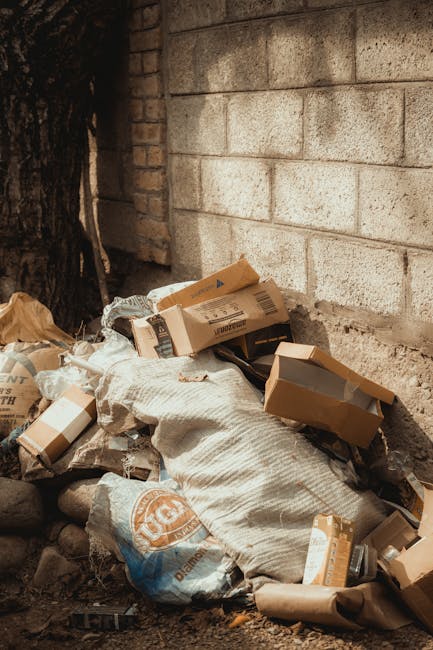
Common Mistakes to Avoid
Most problems with bulky rubbish and garden waste pickup come from a handful of avoidable issues.
- Mixing everything together without checking first. Some loads are fine mixed, but some items need separate handling or may not be accepted at all.
- Guessing the size of the load. "Just a few bits" can turn into a very different job once everything is gathered together.
- Forgetting access problems. Locked gates, parked-in loading bays, or no one available to open a communal door can derail the day.
- Leaving garden waste loose. Loose cuttings blow about, take longer to move, and create a mess before the pickup even begins.
- Waiting too long. A build-up of waste often gets harder to tackle, not easier. Damp, compression, and weather all make the load heavier and more awkward.
- Not mentioning heavy or awkward items. Old wardrobes, large slabs, broken gym gear, and soaked turf all change the plan a bit.
Sometimes the biggest mistake is simply trying to do too much in one go without a plan. A small space can look much more manageable after two clear decisions: what is staying, and what is going. That's it. The rest follows.
Tools, Resources and Recommendations
You do not need a garage full of specialist kit to prepare well, but a few basic tools help.
- Heavy-duty sacks or rubble bags: Useful for leaves, cuttings, weeds, and smaller debris.
- Work gloves: Essential if you are handling thorny, damp, splintery, or dusty materials.
- Wheelbarrow or sturdy tub: Helpful for moving garden waste from the back of the garden to the front safely.
- Tape measure: Handy for bulky items that need volume checks or door-width checks.
- Basic tools: Screwdrivers, a spanner, or a wrench can help dismantle some furniture if needed.
- Camera phone: Clear photos help with quoting and planning, especially for tricky access.
From a planning perspective, the most useful "resource" is probably a trustworthy, well-structured service page that explains what is offered and how the booking process works. For that, you can start with the site's rubbish collection in Lewisham or broader waste clearance in Lewisham options depending on the scale of the job.
If you are comparing providers, it also helps to read the practical pages around pricing and quotes, payment and security, and insurance and safety. Those pages answer questions people often forget to ask until the last minute.
Law, Compliance, Standards, or Best Practice
Waste handling in the UK is not something to be casual about. You do not need to become an expert in regulations just to book a pickup, but it does help to know the basic expectations.
As a general rule, any service collecting waste should operate with proper care, use suitable vehicles and equipment, and follow responsible disposal practices. For customers, the practical side is just as important: give an accurate description of the waste, do not leave hazardous material hidden in a pile, and make sure access arrangements are safe.
Garden waste can often be recycled or composted in appropriate ways, while bulky household items may be broken down into recyclable and residual parts. The exact handling depends on material type and condition. That means honesty matters. If a sofa contains hidden electrical parts or a bag includes something sharp or contaminated, it changes the job.
Best practice also includes fairness and transparency. The terms of the booking should be clear, and the team should not turn up expecting a different job from the one described. If you want to understand how a provider frames its responsibilities, the site's terms and conditions and about us pages can be useful for context. They are not glamorous reading, no, but they do matter.
And one more thing: if you are clearing out a shared estate area, think about neighbours and access at the same time. Keeping routes clear, avoiding unnecessary noise, and leaving the space tidy afterwards is just good practice. Simple stuff, really. But simple stuff is what people remember.
Options, Methods, or Comparison Table
There is no single best method for every situation. The right choice depends on how much waste you have, how heavy it is, whether access is tricky, and how quickly you need the area cleared.
| Option | Best for | Pros | Watch-outs |
|---|---|---|---|
| Single pickup for mixed bulky and garden waste | One-off clearances, small to medium piles | Convenient, quick, minimal fuss | Needs clear photos and honest item descriptions |
| Separate garden waste removal | Large hedge cuts, leaf piles, green waste only | Cleaner sorting, efficient handling | Wet waste can weigh far more than expected |
| Furniture-only collection | Sofas, wardrobes, mattresses, broken tables | Simple and targeted | Some items may need dismantling or special lifting |
| Full clearance service | Estate moves, end-of-tenancy, major decluttering | Best for larger, layered jobs | May be more than you need for a small pile |
If you are unsure, a short conversation usually sorts it. A good provider will ask the right questions rather than pushing you into the biggest service by default. That's the sort of thing that builds trust, and rightly so.
Case Study or Real-World Example
Here's a very typical local scenario. A resident on the Ladywell estate has spent a few weekends tidying the back garden. There's a broken bench, two bags of hedge trimmings, a sagging planter box, a rusty clothes airer, and an old chair that nobody wants to sit on, for obvious reasons. The space is not huge, and the access gate is a bit narrow. Nothing dramatic, but enough to be annoying.
Instead of trying to drag everything out over several days, they gather the items into one corner, separate the green waste into bags, take a couple of clear photos, and check the path to the front entrance. The pickup is arranged for a morning slot. On the day, the collection is done in one visit, and the garden feels bigger immediately. Not magically bigger. Just usable again.
That kind of job sounds small, but it often has a ripple effect. Once the clutter is gone, people usually fix the next thing too - the loose shed shelf, the dead plant, the stack of pots by the back wall. One clean-up leads to another. It's oddly satisfying, actually.
For households juggling moving dates or clearance deadlines, related resources like loft clearance in Lewisham and house clearance can help when the project expands beyond garden and bulky waste alone.
Practical Checklist
Use this checklist before booking or collection day.
- List every item you want removed
- Separate bulky household waste from garden waste where practical
- Check for anything hazardous, oily, sharp, or electrical
- Take clear photos of the load and access route
- Measure large furniture or long branches if access is tight
- Confirm gate codes, keys, parking, or loading access
- Bag loose green waste and keep it in one visible place
- Dismantle safe-to-dismantle items if that saves space
- Ask about recycling, disposal method, and what is included
- Make sure someone is available if access or questions need attention
Quick summary: The smoothest Ladywell estate bulky rubbish and garden waste pickup is the one that starts with honest photos, simple sorting, and clear access. Do those three things well, and most of the rest takes care of itself.
Conclusion
Ladywell estate bulky rubbish and garden waste pickup is really about getting your space back without creating extra stress. Done well, it clears clutter, keeps shared areas tidier, reduces lifting risk, and gives you a cleaner start. That might sound practical and unromantic, but honestly, it's one of those jobs that improves daily life in a very direct way.
If you are weighing up what to remove, how to sort it, or whether the job is small enough for a simple collection, start with the basics in this guide and use the linked service pages to match your needs to the right option. Small steps first. That usually works best.
Get a free quote today and see how much you can save.
And if all you do today is clear one corner, that's still progress. Sometimes that's enough to make the whole place feel lighter.
 Tipper Van - Rubbish Collection and Waste Clearance Prices in Lewisham, SE13
 Luton Van - Rubbish Collection and Waste Clearance Prices in Lewisham, SE13

