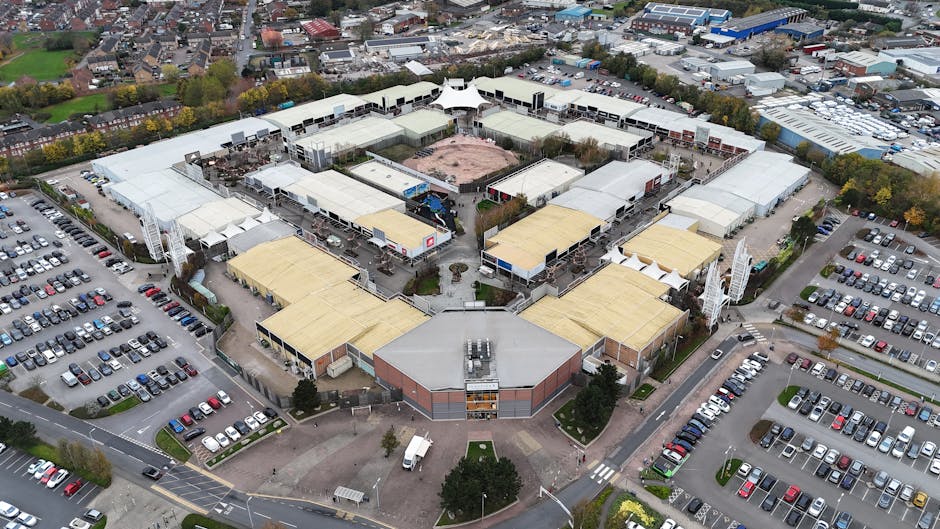
Lewisham shopping centre rubbish rules and fines
Posted on 07/05/2026
Lewisham shopping centre rubbish rules and fines: a practical guide for shoppers, retailers and staff
If you spend time around Lewisham shopping centres, you quickly notice one thing: rubbish management is not a background issue, it is part of how the place feels and functions. A clean forecourt, tidy loading bay, and properly managed bins make a huge difference. The flip side is less pleasant. Overflowing bags, fly-tipped packaging, food waste left behind, or waste put out at the wrong time can lead to complaints, enforcement action, and fines.
This guide explains Lewisham shopping centre rubbish rules and fines in plain English. It is written for shop owners, managers, market traders, cleaners, office tenants, contractors, and anyone else dealing with waste in and around retail premises. You will learn how the rules typically work, what usually triggers penalties, how to avoid mistakes, and what best practice looks like in day-to-day life. Truth be told, a lot of waste trouble comes down to small habits that slip when everyone is busy.
If you are planning a wider clear-out, it can also help to understand related services such as local rubbish collection in Lewisham, waste clearance support, or even specialist help like furniture disposal in Lewisham when bulky items are involved.
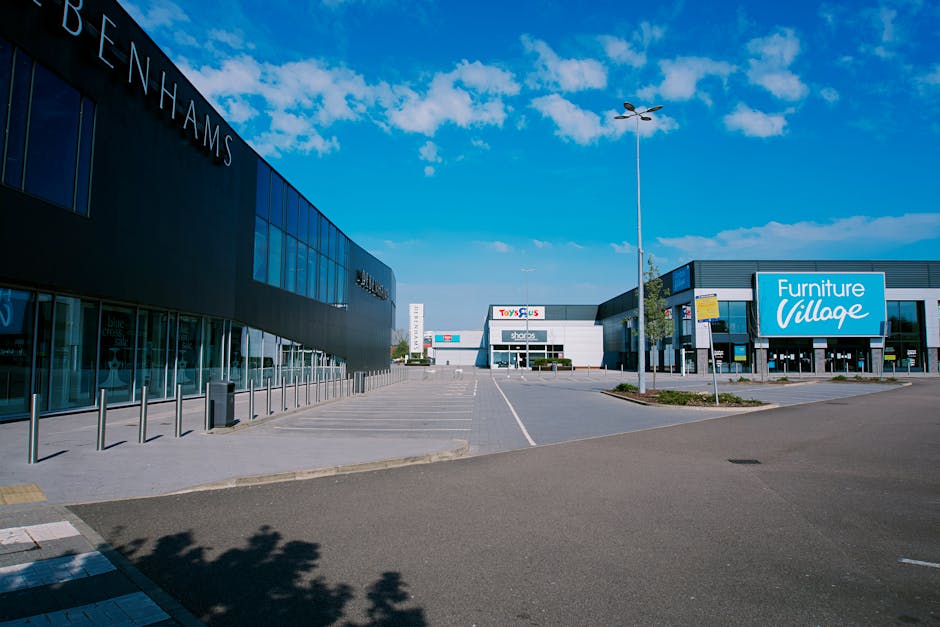
Why Lewisham shopping centre rubbish rules and fines Matters
Shopping centres run on shared space. That sounds obvious, but it is the reason rubbish rules exist in the first place. One unit's stock packaging, one cafe's food waste, or one contractor's careless bags can affect everyone else in the building. The smell builds. Pests arrive. Customers notice. Then complaints follow, often faster than people expect.
In a busy retail environment, waste also affects safety. Loose cardboard can block corridors. Broken boxes can create trip hazards. Food waste can attract seagulls, foxes, and other pests. If bins are left in access routes, that can interfere with deliveries and emergency access. Nobody wants to be the unit that caused a fire exit issue because of a pile of flattened boxes. Nobody.
Fines and enforcement matter because they create a backstop. Most businesses do the right thing, but without clear consequences, a few people will still dump waste in the wrong place or leave it for someone else to sort out. That is where shopping centre rules, landlord policies, and local authority enforcement can overlap.
There is also a reputational side. A centre that feels untidy can lose footfall more quickly than managers sometimes realise. The cleaner and more organised the site, the more likely people are to stay longer, browse more, and return. For local context and the wider Lewisham picture, you may also find this Lewisham local guide useful, especially if you want to understand the area beyond the retail corridor.
How Lewisham shopping centre rubbish rules and fines Works
There are usually three layers of rules at play in and around a shopping centre: the centre's own waste rules, the landlord or managing agent's requirements, and wider local authority or environmental enforcement rules. They are not always identical, which is where confusion starts.
At the centre level, you may see rules about:
- when waste can be placed in communal bins or collection areas
- how cardboard should be flattened and tied
- separation of general waste, recycling, food waste, and glass
- where bulky items can be stored before collection
- who is responsible for cleaning up spillages or missed waste
The landlord or managing agent may also require tenants to use nominated waste contractors, specific bin stores, or shared service yards. If a unit has an individual commercial waste contract, the collection time, bin type, and waste stream handling are often written into the lease or service agreement. That part is dry, admittedly, but it matters when things go wrong.
Local authority action usually comes into the picture if waste is dumped illegally, left on public land, or repeatedly caused to overfill bins and create a nuisance. Penalties depend on what happened, who is responsible, and whether there is evidence. In some cases, enforcement starts with a warning or notice. In more serious situations, it can escalate.
So how do fines actually happen? In real life, it is often one of these scenarios:
- A tenant leaves rubbish beside a shared bin because the bin is full.
- Boxes are placed out too early and get scattered by wind or pedestrians.
- A contractor dumps mixed waste in the wrong bay to save time.
- Food packaging and liquids are put into recycling, causing contamination.
- Bulky waste is left behind after a refit because no one booked the right clearance.
From an operator's point of view, the key is traceability. Who created the waste? Who stored it? Who removed it? If that chain is unclear, disputes become much harder to resolve.
Key Benefits and Practical Advantages
Good rubbish management is not just about avoiding fines. It makes the whole site easier to run. And yes, that matters more than it sounds on a rainy Tuesday when the service yard is already packed.
1. Fewer complaints and less friction. A tidy waste system reduces disputes between tenants, cleaners, security staff, and centre management. People stop guessing whose bag is whose.
2. Lower enforcement risk. When waste is handled properly, you reduce the chance of fixed penalties, local authority involvement, or landlord breach notices.
3. Better customer experience. Shoppers notice cleanliness immediately. It changes the feel of the centre, especially near entrances, cafes, and seating areas.
4. Safer operations. Properly stored waste keeps walkways, fire exits, and delivery routes clearer. That is one of the least glamorous benefits, but probably one of the most important.
5. Easier recycling and lower disposal waste. If cardboard, metals, and reusable items are separated correctly, you can often reduce general waste volumes. For businesses looking to improve waste handling more broadly, the site's recycling and sustainability guidance is a sensible place to start.
6. Less last-minute panic. Good systems mean fewer "where do we put this now?" moments. That alone saves time.
Practical takeaway: The cheapest waste solution is usually the one that prevents mess, avoids contamination, and keeps everyone clear on responsibility. Cutting corners tends to cost more later, sometimes a lot more.
Who This Is For and When It Makes Sense
This topic is relevant to more people than you might think. It is not only for the store manager with a clipboard and a headache.
You should pay close attention if you are:
- a retail tenant in a Lewisham shopping centre
- a cafe, takeaway, or food retailer with packaging and food waste
- a cleaner, facilities team member, or site supervisor
- a contractor doing a fit-out, refit, or maintenance job
- a landlord or managing agent responsible for common areas
- a business owner dealing with bulky items, stockroom clear-outs, or seasonal overflow
It also makes sense if you are in a nearby commercial zone and want to understand local expectations before waste becomes a problem. For broader planning around business premises, office clearance in Lewisham and builders waste disposal in Lewisham are useful related services if you are handling refurbishment or operational changes.
Sometimes the issue is seasonal. December stock deliveries, summer events, late-night trading, or a shop refit can all create more waste than usual. If your bins are fine most of the year but suddenly strain under pressure, that is still a planning issue, not just a one-off nuisance.
Step-by-Step Guidance
If you want to stay on the right side of the rules, use a process rather than a vague "we'll sort it out later" approach. Later usually arrives with a mess attached.
Step 1: Identify the waste streams
List what your business actually throws away. That might include cardboard, plastics, food waste, glass, soft furnishings, packaging film, office paper, or mixed refuse. The more clearly you separate these, the easier compliance becomes.
Step 2: Check the centre's waste policy
Ask for the relevant rules from centre management or your landlord. Look for bin access times, storage limits, collection schedules, and any restrictions on bulky items or hazardous materials. If the policy is buried in a lease annex somewhere, track it down. It matters.
Step 3: Match the disposal method to the waste
Not every item belongs in a general bin. Some waste needs a dedicated collection, a licensed contractor, or special handling. Broken office chairs, shop shelving, and old display units often need more than a quick bin-side drop.
Step 4: Train the people who actually touch the waste
This is the bit that gets missed. Managers may know the rules, but the night cleaner or weekend staff member may not. A five-minute briefing can prevent weeks of avoidable hassle.
Step 5: Label bin locations and storage areas clearly
Simple signs work. So do colour codes and a short picture guide. If people have to think too hard while carrying a box or a bag, errors creep in.
Step 6: Book collections before overflow happens
Do not wait until bins are visibly stuffed. If your business has predictable peaks, schedule collections in advance. That is especially useful for retail promotions, stock changeovers, and post-event clear-ups.
Step 7: Keep records
Keep copies of waste transfer notes, invoices, and contractor details where relevant. If a dispute arises, paperwork helps show that the waste was handled properly.
If you need help deciding which clearance route fits your situation, you can compare services via the services overview or request pricing and quotes for a clearer picture.
Expert Tips for Better Results
Here are the habits that usually make the biggest difference in practice.
- Keep cardboard flat, not hopeful. A half-crushed box still takes up space. Flatten it properly and tie it if required.
- Plan for opening and closing time pressure. Waste mistakes often happen at the end of a shift when everyone is rushing.
- Use one person as the waste lead. Not because they should do all the work, but because responsibility needs a name.
- Separate food and liquids early. Once a bag is contaminated, it can spoil a whole recycling load. Annoying, but true.
- Check loading bay access before booking collection. A delayed truck can become a chain reaction if the access route is blocked.
- Think about neighbour impact. In a shared centre, what looks like "your waste issue" often becomes everyone's problem by morning.
One small thing I have seen over and over: when a business keeps a simple weekly waste routine, staff stop improvising. That alone cuts down on mistakes. A tidy routine beats a dramatic cleanup every time.

Common Mistakes to Avoid
Most waste problems are not dramatic. They are boring little oversights that compound. To be fair, that is exactly why they are so common.
- Leaving bags beside full bins. This is one of the fastest ways to trigger complaints or enforcement attention.
- Putting the wrong material in recycling. Contamination can make a whole load harder to process.
- Assuming the cleaner will know what to do. If you have not explained it, do not assume it is obvious.
- Using public bins for business waste. That is a classic mistake and can lead to penalties.
- Ignoring bulky waste after a refit. Old counters, shelves, and display fittings need a proper plan.
- Not checking contractor legitimacy. Use properly documented, responsible waste services. If you are ever unsure about duty of care and safe handling, review insurance and safety information before booking anyone.
- Waiting until complaints pile up. By then, the issue is no longer just internal.
One more thing: if your rubbish area smells odd, that is usually not something to "monitor for a bit." It is a sign the system has already slipped.
Tools, Resources and Recommendations
You do not need fancy systems. You need practical ones that staff will actually use.
Useful tools include:
- bin labels with clear waste stream names
- a simple collection calendar pinned in the stockroom or back office
- photo guides showing what belongs in each bin
- spill kits for food or liquid waste incidents
- basic checklists for opening and closing duties
Useful resources include:
- your centre management waste policy
- your lease or service-charge waste clauses
- local recycling guidance
- licensed waste contractor documents
- the business's own health and safety procedures
If your site includes storage rooms, seasonal stock, or extra back-of-house items, related services such as loft clearance in Lewisham or house clearance support may also be relevant when items are being removed from mixed-use premises or staff accommodation. It depends on the job, naturally.
For businesses that care about wider values and procurement standards, the company's about us page and modern slavery statement can help you understand how a provider approaches responsibility and supply-chain expectations. Not glamorous reading, no, but useful.
Law, Compliance, Standards, or Best Practice
In the UK, waste handling sits within a broader compliance framework. The exact rules that apply depend on the waste type, the site, the landlord agreement, and local enforcement context. Because of that, it is safer to think in terms of good practice plus specific site rules rather than assuming one simple rule covers everything.
At a minimum, businesses should aim to:
- store waste safely and securely
- prevent waste from escaping into public areas
- use appropriately licensed or legitimate waste services where required
- separate waste streams where practical and expected
- keep records for business waste movements where relevant
- avoid creating nuisance, obstruction, or a health and safety risk
For shopping centres, best practice often goes beyond the law itself. Centre management may set tighter rules for timing, presentation, and housekeeping because shared spaces need consistency. That can feel strict, but it is usually there to keep the whole site running. Frankly, it is easier to follow a firm rule than to negotiate every bin bag ad hoc.
If you are unsure whether your waste is commercial, bulky, recyclable, or requires special handling, seek clarification before disposal. That one pause can save an awkward email, or worse, a fine notice you really did not want.
Where a business is carrying out refurbishments or structural changes, the compliance picture may also overlap with construction and demolition waste rules. In those cases, builders waste disposal in Lewisham is usually the more relevant route than standard bin collections.
Options, Methods, or Comparison Table
Different waste problems need different responses. Here is a simple comparison that may help you choose the most sensible route.
| Option | Best for | Strengths | Watch-outs |
|---|---|---|---|
| Shared centre bins | Everyday small commercial waste | Convenient, familiar, low effort | Can overflow quickly if not managed well |
| Scheduled commercial collections | Regular retail or cafe waste | Predictable, documented, easier to track | Needs planning and contract coordination |
| One-off clearance | Refits, stockroom resets, bulky waste | Removes large volumes fast | Must be booked properly to avoid disruption |
| Specialist recycling route | Separable materials like cardboard, wood, metal | Can improve diversion from general waste | Requires correct sorting and storage |
For many businesses, the best answer is a mix: routine collections for the daily stuff, plus occasional clearances when trading patterns change. That is usually more realistic than forcing everything through one system.
Case Study or Real-World Example
Imagine a small retailer inside a Lewisham shopping centre preparing for a seasonal stock changeover. Cardboard starts arriving faster than expected. A few display units are replaced. Old packaging fills the back room by Thursday afternoon. The team is busy, so someone stacks waste near the service corridor "just for tonight."
By Friday, the bags are in the way of deliveries. One leaks. A cleaner moves them. A security team member logs the issue. Centre management gets involved because the corridor is partly blocked and the waste looks untidy to customers entering from the side access. No one was trying to be careless, but the result is still a problem.
What would have prevented it? Three things, usually:
- a temporary increase in collections during the stock changeover
- a pre-arranged plan for bulky items and packaging overflow
- a staff reminder that nothing should be left in shared access routes
This is the kind of situation that feels minor at the start and then suddenly dominates everyone's day. The lesson is simple: if you know waste volume is about to rise, act before it spills into shared space.
If you are planning a clearance around a move, refit, or business reshuffle, it can also be worth reading guidance on navigating real estate in Lewisham or the Lewisham property market guide if the change is linked to premises decisions. Different topic, yes, but connected in practice more often than you might expect.
Practical Checklist
Use this before collections, refits, busy periods, or any time you suspect waste is starting to build up.
- Have I checked the centre's waste rules?
- Do staff know which bins are for which materials?
- Is any waste already blocking access routes or fire exits?
- Have I flattened cardboard and separated recyclable items?
- Are food and liquid waste kept apart from dry recyclables?
- Do I need a one-off clearance for bulky or mixed items?
- Have I confirmed collection times and bin access?
- Is there a named person responsible for monitoring waste today?
- Do I have the right paperwork or contractor details if asked?
- Have I made a plan for overflow before it becomes visible to shoppers?
If you can tick most of those off, you are in a much safer position. If not, that is your sign to tidy the process before it becomes an issue.
Get a free quote today and see how much you can save.
Conclusion
Lewisham shopping centre rubbish rules and fines are not just about avoiding a penalty. They are about keeping shared retail spaces clean, safe, and workable for everyone using them. When waste is managed properly, the centre runs better, staff feel less pressure, and customers get a better experience. Simple as that.
The best approach is usually proactive rather than reactive: know the rules, train the people on the ground, keep waste streams separate, and arrange the right collection before bins overflow or items pile up in the wrong place. If your situation is more complex than a standard bin drop, do not guess. Get it checked, or arrange the right kind of clearance.
And if you are sorting out a backlog, a seasonal uplift, or a mixed commercial clear-out, support is available through local services that understand the pace and pressure of Lewisham retail life. A bit of planning now can save a lot of stress later. That is the honest version.
Clean spaces tend to feel calmer spaces. Worth aiming for, really.